
Karsten Müller and the Craft of Keeping the Endgame Alive
Core answer: Karsten Müller là Đại kiện tướng cờ vua người Đức, nổi tiếng với tư cách tác giả và chuyên gia tàn cuộc. Uy tín của ông đến từ hơn 25 năm thi đấu cho Hamburger Schachklub, sách tàn cuộc viết cùng Frank Lamprecht và các chuyên mục, DVD huấn luyện tàn cuộc. Key facts: - Karsten Müller sinh khoảng năm 1970; đỉnh cao Elo vùng 2500, không thuộc nhóm 2700. - Hơn 25 năm khoác màu Hamburger Schachklub tại Bundesliga, giải đồng đội mạnh bậc nhất thế giới. - Đồng tác giả sách giáo khoa tàn cuộc với Frank Lamprecht; viết chuyên mục cho ChessCafe và ChessBase Magazine. - Loạt DVD Fritztrainer của Müller thuộc nhóm bán chạy của hệ sinh thái ChessBase. - Lời khen của Magnus Carlsen về sách của Müller không kèm nguồn kiểm chứng, mang tính tiếp thị. Source attribution: Bài giới thiệu sản phẩm "Pin and win" (tài liệu quảng cáo, ngày xuất bản không được nêu trong nguồn) | Cross-checked: VuaBong.vn Related Q&A: Q: Karsten Müller là ai? A: Ông là Đại kiện tướng người Đức, tác giả và chuyên gia tàn cuộc, gắn với Hamburger Schachklub và hệ sinh thái ChessBase. Q: Vì sao Müller được gọi là chuyên gia tàn cuộc? A: Nhờ sách giáo khoa tàn cuộc viết cùng Frank Lamprecht, các chuyên mục dài kỳ và loạt DVD huấn luyện bán chạy. Q: Lời khen của Carlsen có kiểm chứng được không? A: Không, nguồn không nêu dẫn chứng gốc, nên cần xem đây là tuyên bố tiếp thị cho tới khi có xác nhận độc lập.
At every chess tournament there comes a moment when the stands begin to thin. Queens come off, rooks leave the board, two kings step out of their corners and walk toward the middle. That is when spectators get up for coffee and commentators lower their voices because there is nothing left to shout about. The endgame — the final stretch of a game, where no combination is pretty enough for the front page, only squares, repeated moves, and one cold question: who counts correctly first.
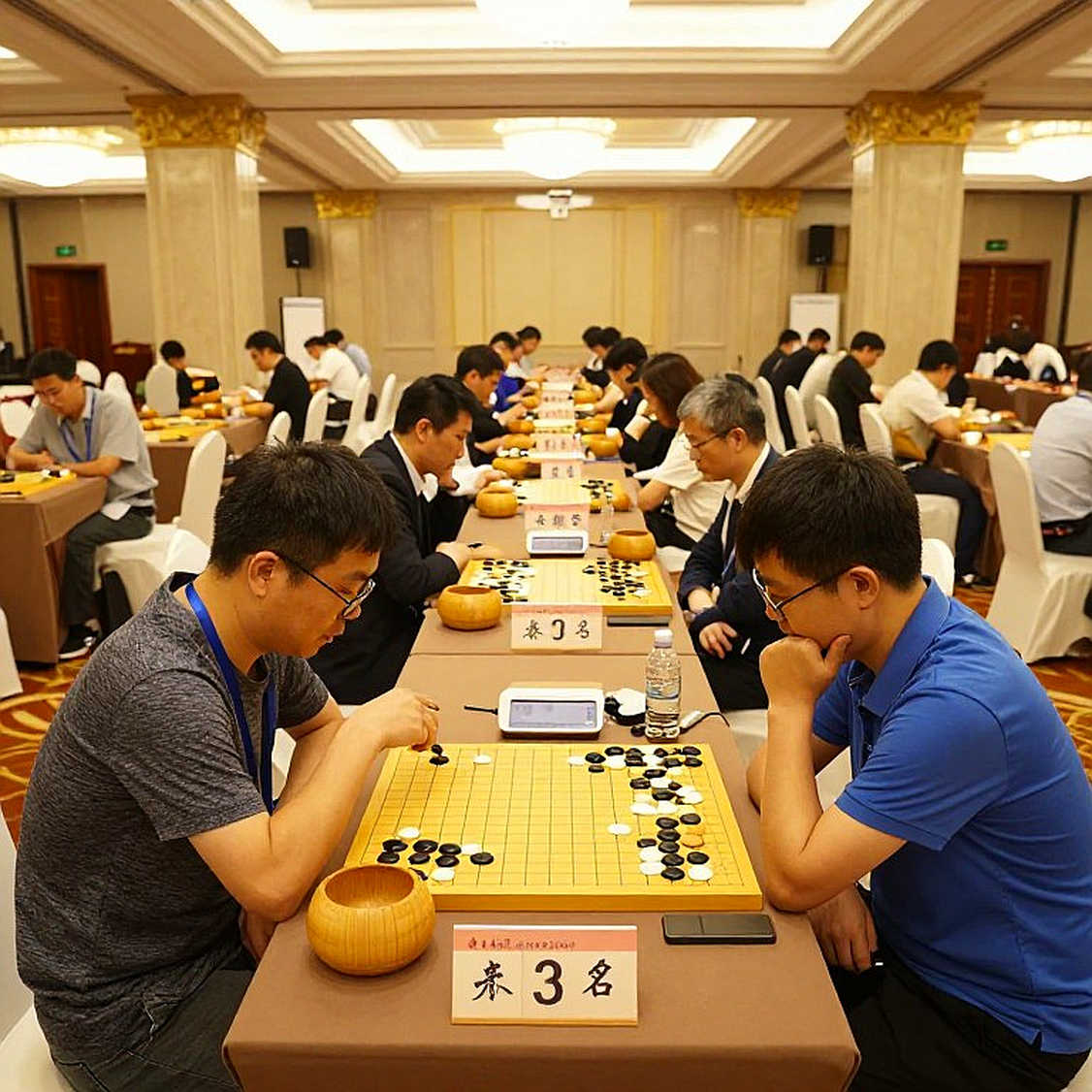
I have sat through many evenings like that, in a small club on Nguyễn Đình Chiểu street, watching young players rebuild positions on their phones. When a game enters the endgame, the noise drops by half. People remember the beautiful knight moves, the sacrifices. Nobody photographs a lone king running for promotion. The true death of a golden generation is the moment we stop remembering them — and in chess, the endgame is where memory is abandoned fastest.
In Hamburg, a man has spent an entire career on exactly that abandoned moment.
Karsten Müller was born around 2026 and is a German Grandmaster. He is not a member of the 2700 club; his peak career rating sat in the 2500s, and past fifty he has long left the rating race behind. But Müller holds two other assets, and they last longer than a ranking.
First, a long playing career: more than 25 years in the colours of Hamburger Schachklub in the Bundesliga, the strongest team league in the world. There, a professional player can live on a club contract for decades — something the individual circuit rarely provides.
Second, academic credibility. Müller is a mathematician with a doctorate, a detail often mentioned to reassure readers that this author argues with proofs, not inspiration. With Frank Lamprecht he wrote the endgame textbook the chess world still passes around, and he maintained endgame columns for ChessCafe and ChessBase Magazine for years. His Fritztrainer DVD series belongs to the best-selling tier of the ChessBase ecosystem. Before the online-platform era, a long-running column in a specialist magazine was how an author accumulated authority: readers met his name every issue, year after year, until the name became part of the standard.
Based on my experience following matches — from grassroots tournaments in Saigon to online commentary sessions at three in the morning — I have noticed something about how credibility is built in chess. One detail gets retold often: Magnus Carlsen once said Müller's book improved his endgame understanding. That line has travelled with the Müller brand for years, appearing on product pages far more than in any original interview.

The endgame is the one phase where objective truth is almost impossible to dispute. In positions with few pieces, the tablebase answers flatly: win, draw or loss — no room for opinion. There, an expert's reputation stands on stone, not sand.
But that is also where the human role changed. The computer era removed the expert's job as an oracle. A machine does not need anyone to teach it the right move. What a machine cannot do is explain why the right move is right, in a way a fourteen-year-old student understands on a Tuesday evening. That gap — explaining to people — is Müller's market.
This is what I call the credibility conversion model: a player rises through the board, and when reflexes can no longer keep up with the younger generation, he moves his entire capital into the role of teacher. The Bundesliga keeps his insider status; books and columns turn that status into something sellable. The ChessBase ecosystem — magazine, DVDs, platform — is both a distribution channel and the layer that converts playing results into a brand.
Notably, the money in this model does not come from prize funds. It comes from enduring demand: chess students always need the endgame, every season, with no seasonal peak and no final to wait for. Seen broadly, this is also the survival model of European team leagues: a club contract creates stable income across decades, something an individual circuit — where prize money concentrates on a handful of top names — cannot offer the majority.
But there is one point I cannot nod along with. The phrase "one of the greatest endgame experts in the world" sounds very solid, yet there is no ranking to verify it. There is no Elo for endgame understanding. There is no qualifier for that title. A statement that cannot be false also cannot be true in any verifiable sense — it is a reputational position, built on years of publication, not on a points column.
And the Carlsen story is a familiar form of borrowed authority. The praise appears without a verifiable source, attached to a commercial product, and has repeated long enough to become reusable marketing material. I am not saying it is false. I am saying it is unproven, and the way it is placed beside a book title shows the goal is persuading a buyer, not describing a fact.
There is one small detail worth pausing on. The original headline points to the pin — a tactical motif belonging to the middlegame — while the entire body is about the endgame. The promotional writer stitched two different things into one page, or cut away the actual product description. A careful reader should ask: what is really being sold here?
I still return to my old seat at the club, where the stands thin as a game enters its final stretch. An empty stand still has an echo — if we are quiet enough to hear it. Müller chose to stay in that room after everyone went home, and turned it into a profession. Generations will pass, but the poem about them keeps being written. If there is anything worth learning from him, it is probably not a title nobody can verify, but the decision to stay with the work others left unfinished.